What industrial coatings actually do
An industrial coating is not decoration. It is a barrier between an asset and the environment that is trying to corrode it — moisture, chemicals, abrasion, UV, washdown regimes and temperature cycling.
Which is why the specification matters: substrate, exposure, service temperature, expected life and how the asset gets cleaned all drive the coating system selected — primer, intermediate and topcoat, at the film thickness the manufacturer requires.
And why preparation matters more than the paint. Almost every coating failure we are called to look at is a preparation failure — contamination or corrosion left under a coating that then had nowhere to bond.
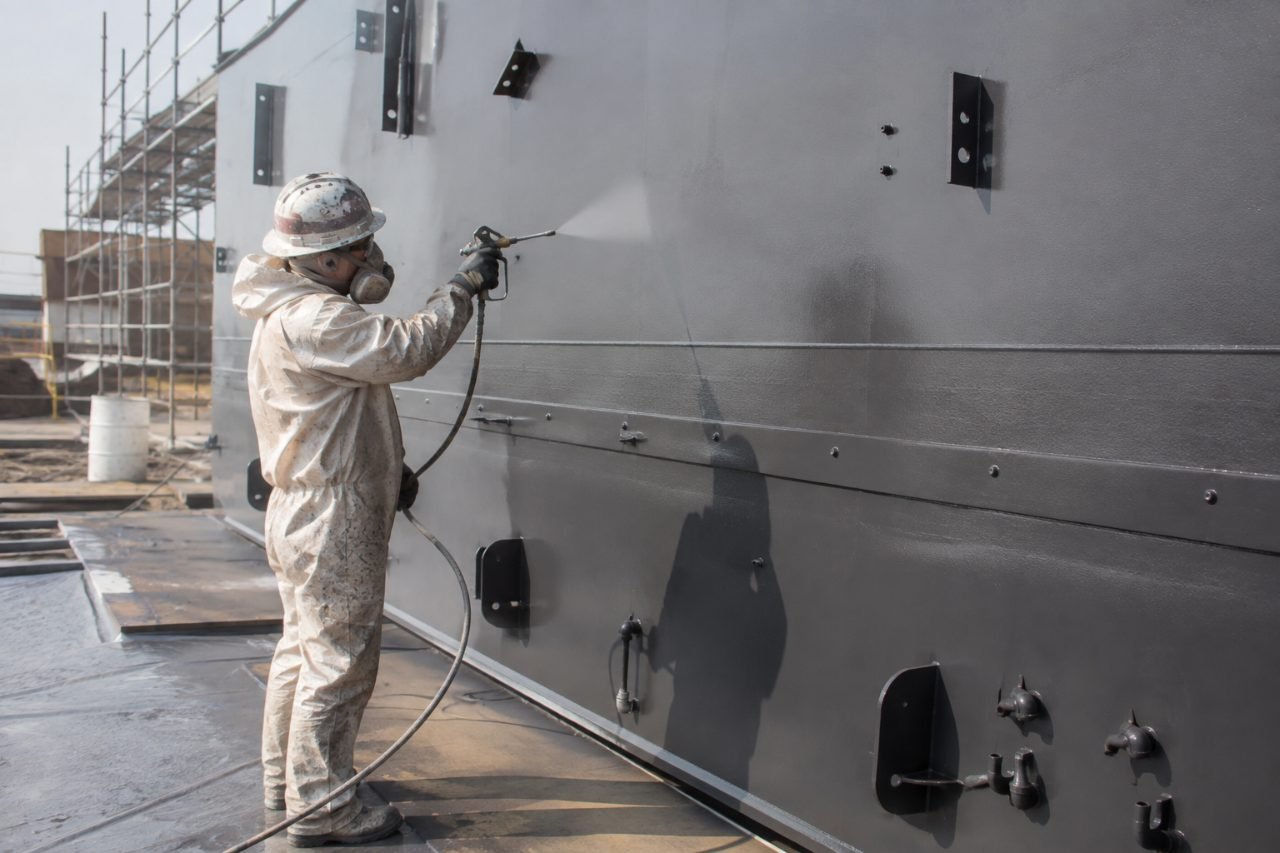
What we coat
Typical industrial and commercial painting and coating work.
Structural steel
Beams, columns, platforms, walkways and handrails — new work and maintenance recoating.
Corrosion protection
Protective systems for exposed steel, external structures and washdown environments.
Machinery & plant finishes
Equipment refinished during rebuilds, relocations or refurbishment.
Factory & warehouse interiors
Walls, ceilings, structure and line marking areas repainted with minimal disruption.
Commercial exteriors
Cladding, facades, awnings and back-of-house areas for property and facilities managers.
Tanks & vessels
External protective coatings as part of planned maintenance programs.
Fabricated components
Workshop coating of fabricated steel before it leaves for site.
Coating repair
Failed or damaged coatings cut back, prepared and made good.
Coatings that last as long as they should
Asset life extended
Corrosion protection applied properly is far cheaper than replacing structural steel or plant.
Preparation and coating together
One contractor owns the whole surface — no handover gap between the blaster and the painter.
Specified, not guessed
Coating system chosen for the exposure, the substrate and how the asset is cleaned in service.
Programmed around production
Cure and recoat times planned into your shutdown window so the asset returns to service on time.
Sites that present well
Clean, coated plant and buildings matter when clients, auditors or buyers walk the floor.
Maintenance, not replacement
Planned recoating cycles keep assets in condition instead of running them to failure.
Who we coat for
Sectors across Melbourne and regional Victoria.
Coating is the last stage. Start with pressure cleaning or abrasive blasting depending on what is on the surface now, or tell us the problem and we will work backwards from the finish you need.
How a coating job runs
Inspection
Existing coating, corrosion and exposure conditions assessed, along with how the asset is used and cleaned.
System selection
Coating system, film thickness and colours confirmed against the substrate and the environment.
Surface preparation
Degreasing, washing and blasting to the standard the coating requires — the stage that decides the outcome.
Application
Primer, intermediate and topcoat applied with masking and containment to protect adjacent plant.
Cure & inspection
Cure times respected, finish inspected with you, and the area handed back ready for service.
Painting & coatings questions
Can you paint over previously coated steel?
Sometimes. If the existing coating is sound, adhering well and compatible with the new system, it can be cleaned, abraded and overcoated. If it is blistering, flaking or of unknown type, it should come off first — overcoating a failing system only delays the failure.
What surface preparation is required before industrial coatings?
The surface must be clean, dry and free of oil, grease, salts and loose material, with the profile the coating manufacturer specifies. On steel that normally means degreasing followed by abrasive blasting to the required standard.
Why do industrial coatings fail early?
Nearly always preparation: contamination, moisture, salts or corrosion left under the coating, or a profile the paint could not key into. Wrong system for the exposure and under-applied film thickness account for most of the rest.
Can you coat around live production?
Often, with masking, containment and staging so work moves through the site area by area. Where fumes, overspray or cure times make that unworkable, we program the work into a shutdown or after-hours window instead.
Do you work during shutdowns?
Yes. Preparation, application and cure times are planned into the window so the asset is back in service on schedule.
Do you service regional Victoria?
Yes — all of Victoria, including Geelong, Ballarat, Bendigo, Shepparton, Wodonga and Gippsland, planned as a single mobilisation.